
Quick answer: After a hair transplant, your scalp will heal little by little. Most redness, swelling, soreness, and scabs improve within one to two weeks. Some of the new hairs may fall out during the first month, but don’t worry, this is normal. New hair often starts growing around three to four months, then becomes thicker and fuller over the next year. Everyone heals at a different pace, so follow the care steps we give you.
Recovery from hair transplant surgery happens in stages. Most of the visible healing takes place during the first couple of weeks, but the transplanted follicles need several months to rest, begin growing, and produce thicker hair.
During this time, it is normal to notice changes such as swelling, scabbing, temporary shedding, and uneven early growth. Your exact timeline may differ, so always follow the instructions provided by your hair transplant provider.
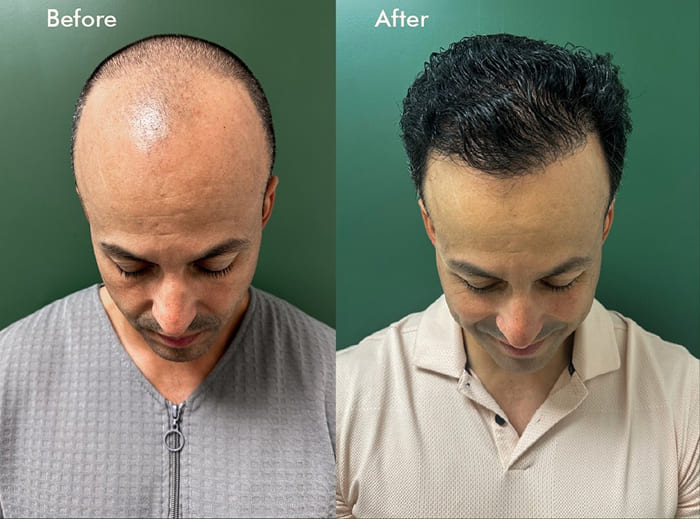
Key Takeaways
- Swelling, tenderness, redness, and scabbing are common during the first few days.
- The transplanted grafts need careful protection during the first two weeks.
- Temporary shedding often begins within the first month and does not mean the transplant has failed.
- Early hair growth may become visible around three to four months after the procedure.
- Hair can continue becoming thicker and fuller for 12 months or longer.
These milestones are general estimates. The number of grafts, the treated area, your healing response, and your provider’s instructions can all affect your recovery.
Hair Transplant Recovery Timeline at a Glance
| Time frame | What you may notice | General recovery focus |
| First few days | Swelling, redness, tenderness, minor bleeding, and early scabbing | Protect the grafts and sleep with your head elevated |
| First 1 to 2 weeks | Scabs begin clearing and discomfort improves | Wash only as directed and avoid rubbing the scalp |
| Weeks 2 to 4 | Temporary shedding or shock loss may begin | Continue gentle scalp care and follow activity restrictions |
| Months 1 to 3 | The follicles enter a resting stage | Be patient as the scalp settles and early growth begins |
| Months 3 to 6 | New hairs become visible | Expect early hairs to look fine or uneven |
| Months 6 to 9 | Hair becomes thicker and denser | Resume normal styling as directed |
| Months 9 to 12+ | Density, texture, and coverage continue improving | Attend follow-up visits and evaluate the developing result |
This table describes a typical recovery pattern, not a guaranteed schedule. Some patients heal or grow hair more quickly than others.
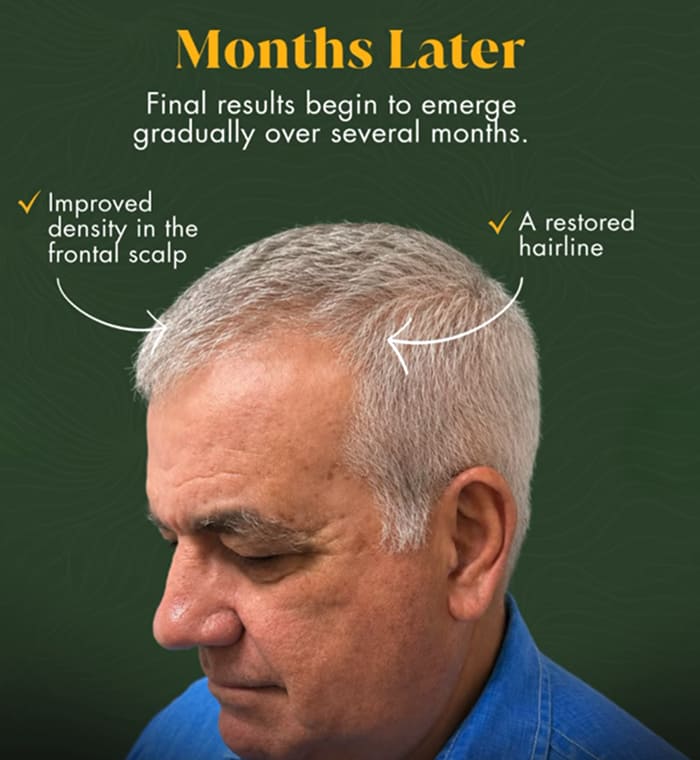
How Long Does Recovery From a Hair Transplant Take?
There are two parts to hair transplant recovery: healing and hair growth.
The scalp usually looks and feels much better within one to two weeks. Many people can return to light daily activities within several days, although visible redness or scabbing may take longer to settle. Patients should remain careful with the transplanted area during the first two weeks because the grafts are still becoming secure.
Hair growth takes much longer. The transplanted hairs may shed before new growth begins. Early growth often appears around three to four months, while density and thickness continue improving over the following months. The final result may take 10 to 18 months, particularly when the crown is treated.
Would you like a recovery timeline based on your treatment area and number of grafts? Schedule a consultation with our hair restoration team.

Considering a Hair Transplant?
Get clear, personalized guidance from a team that listens.
Recovery From Hair Transplant Timeline
Every patient heals at a slightly different pace, but the stages below give you a practical idea of what is normal, how to care for your scalp, and when you may begin returning to your usual activities.
First Few Days
What is normal: Mild soreness, tightness, redness, swelling, small scabs, and a small amount of clear drainage or spotting.
Aftercare: Keep your head elevated while sleeping, avoid touching the grafts, and take any prescribed medication as directed. Wash your scalp only when and how your provider tells you.
Activities: Rest and take short, gentle walks. Avoid bending over, lifting heavy objects, sweating, and any activity that could cause you to bump or rub your scalp.
Bandages, when used, are often removed within the first few days. Washing instructions vary, so your personal instructions should always come first.
First 1 to 2 Weeks
What is normal: Scabs begin to dry and loosen. Redness, swelling, itching, and tenderness should slowly improve.
Aftercare: Continue gentle washing with lukewarm water and the recommended shampoo. Do not pick the scabs, scratch with your nails, or aim strong shower pressure at the grafts.
Activities: Many patients can return to desk work or other light duties. Continue avoiding strenuous exercise, swimming, contact sports, and heavy sweating until you are cleared.
The grafts are still healing during this period, even if the scalp begins to look better. Scabs commonly remain for one to two weeks.
Weeks 2 to 4
What is normal: Most swelling and scabbing should be gone. Mild redness, itching, tightness, or numbness may remain. The transplanted hairs may begin to shed.
Aftercare: Continue treating the scalp gently. Temporary shedding does not usually mean the grafts have been lost because the follicles remain under the skin.
Activities: You may gradually increase exercise after your provider approves it. Start slowly and stop if you notice pain, throbbing, bleeding, or increased swelling.
Some patients are advised to avoid vigorous activity for around three weeks or longer, depending on the procedure and how the scalp is healing.
Months 1 to 3
What is normal: The transplanted area may look thin while the follicles rest. New growth may be limited, uneven, or not visible yet.
Aftercare: Be patient and avoid picking at small bumps or pimples that may appear. Contact your provider if you develop increasing pain, spreading redness, unusual drainage, or bumps that do not improve.
Activities: Most patients can return to their regular routine once the scalp has healed and their provider has cleared them.
This quiet period can feel discouraging, but it is a normal part of the hair-growth cycle. The visible hairs may shed before the follicles begin producing new strands.
Months 3 to 6
What is normal: Small new hairs may begin to appear. They can look fine, soft, patchy, or uneven because the follicles do not all grow at the same time.
Aftercare: Continue attending follow-up visits so your provider can check the donor area, transplanted area, and growth pattern.
Activities: You can usually follow your normal exercise, work, and grooming routine unless your provider has given you different instructions.
Growth often becomes noticeable around the fourth month and continues building during the following months. Do not judge the final result at this stage.
Months 6 to 9
What is normal: The transplanted hair usually becomes longer, thicker, and easier to see. Density may still vary from one part of the scalp to another.
Aftercare: Use gentle hair products and speak with your provider before applying strong chemicals, bleach, or treatments that could irritate your scalp.
Activities: Most normal activities, haircuts, and styling can usually be resumed once the scalp has fully healed.
The crown and larger treatment areas may grow more slowly, so uneven density at this point does not automatically mean there is a problem.
Months 9 to 12+
What is normal: The hair should look more established as the strands continue gaining thickness, length, and texture.
Aftercare: Keep your follow-up appointment so your provider can assess the hairline, density, donor area, and overall balance.
Activities: You can generally treat the transplanted hair like the rest of your hair once healing is complete.
Many patients see a large part of their result by one year, but growth may continue for up to 18 months, especially in the crown.
What Can Affect Your Hair Transplant Recovery Timeline?
Your recovery may be affected by:
- The number of grafts transplanted
- The size and location of the treatment area
- Your natural hair-growth cycle
- Your general health and healing response
- Smoking or other habits that may interfere with healing
- Accidental rubbing, scratching, or pressure on the grafts
- How closely you follow washing and activity instructions
- Whether you attend your recommended follow-up visits
A larger procedure does not always mean a difficult recovery, but it may involve more visible redness, scabbing, or tenderness. Your provider should explain what is expected based on your treatment plan.
When Should You Contact Your Hair Transplant Provider?
Mild swelling, soreness, itching, redness, and scabbing can be part of normal recovery. However, symptoms should generally improve rather than become more intense.
Contact your provider promptly if you experience:
- Severe or increasing pain
- Bleeding that does not stop as instructed
- Yellow, green, or unusual drainage
- Redness that continues spreading
- Swelling that becomes severe or worsens unexpectedly
- Fever or chills
- A possible reaction to medication
- Any symptom that feels unusual or concerning
Do not wait for a scheduled follow-up visit when you are worried about a possible complication. Hair transplant procedures are generally considered safe, but bleeding, infection, and reactions to anesthesia can occur and require medical attention.
Frequently Asked Questions About Hair Transplant Recovery
How long does it take to recover from a hair transplant?
Most of the visible healing occurs during the first one to two weeks. However, hair growth and maturation take much longer. New growth may begin around three to four months, with continued improvement for 12 months or longer.
How many days should I take off work?
This depends on your work and how comfortable you feel with visible redness or scabbing. Some patients return to desk work within several days, while others prefer taking one to two weeks off. People with physically demanding jobs may need additional restrictions.
When are transplanted grafts secure?
The first two weeks are the most important time for protecting the grafts. They become more stable as the skin heals, but you should not rub, scratch, or place pressure on the area until your provider confirms that it is safe.
Is shedding normal after a hair transplant?
Yes. The visible transplanted hairs commonly shed within the first several weeks. The follicles remain in the scalp and can begin producing new hair after a resting period.
When does new hair begin to grow?
Early hair growth often begins around three to four months. At first, the hair may be fine, light, or uneven. It typically becomes thicker and more noticeable during the following months.
When can I return to exercise?
Your provider may restrict strenuous exercise for several weeks because increased blood flow, sweating, and accidental contact can affect the healing scalp. Light walking may be permitted earlier, but wait for individualized clearance before returning to intense workouts or contact sports.
When will my hair transplant look natural?
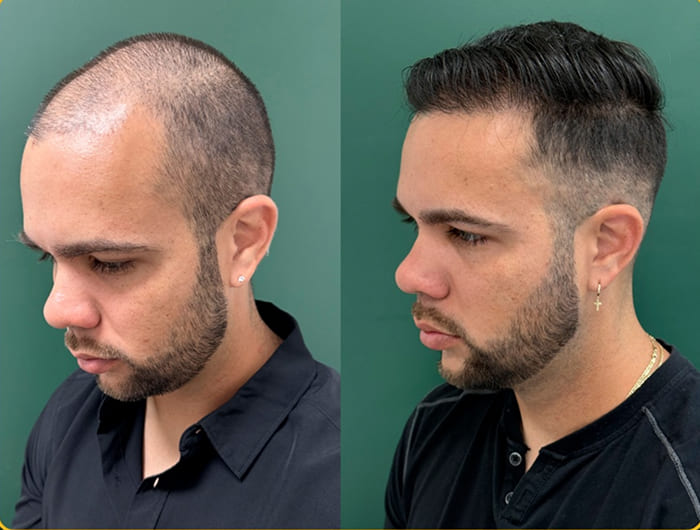
The transplant usually looks more established as the hair gains length and thickness between months six and twelve. The crown and other slower-growing areas may continue improving beyond one year.
When can I expect the final results?
Many results are evaluated around 12 months, but full growth may take as long as 18 months. The timing depends on the treatment area, hair-growth cycle, and individual response.
Why Choose Graft Hair Restoration and Aesthetics?
Hair transplant recovery requires more than a procedure. Patients also need clear instructions, realistic expectations, and access to a knowledgeable team throughout the healing and growth process. At Graft Hair Restoration and Aesthetics, each treatment plan is personalized to the patient’s hair loss, donor area, goals, and long-term needs.
- More than 18 years of relevant experience: Founder Elsa Rivero, APRN, has worked in hair restoration since 2007 and brings more than 18 years of experience to patient care.
- Professional education and membership: Elsa holds a Master of Science in Nursing in Family Practice and is a member of the American Association of Nurse Practitioners.
- Experienced medical oversight: Medical director Corine Munnings, MD, completed residency training in anesthesiology and fellowship training in regional anesthesia and acute pain management.
- Personal involvement in each procedure: The clinic states that our team is present and involved throughout each hair transplant rather than leaving most of the procedure to technicians.
- Continued recovery support: The team remains available for post-procedure questions and follow-up visits as the scalp heals and the new hair develops.
Located in Kendall, Graft Hair Restoration and Aesthetics welcomes patients from communities throughout Miami-Dade County, including Pinecrest, South Miami, Coral Gables, Doral, and nearby areas.

Begin Your Hair Transplant Journey in Kendall, FL
Understanding the recovery timeline can help you prepare for each stage without becoming discouraged by temporary swelling, shedding, or slow early growth. Your treatment plan and aftercare instructions should always be based on your scalp, hair-loss pattern, and individual needs.
Schedule a consultation with Graft Hair Restoration and Aesthetics in Kendall, FL, to receive a personalized hair transplant plan and clear guidance for every stage of your recovery.