
Quick answer: Microblading may be a good choice if you want a quick, nonsurgical option with a lower upfront cost, while an eyebrow transplant may be better if you want real, growing hair and a longer-lasting result, especially in very thin or bare areas.
Eyebrow transplant vs microblading is one of the most common questions I hear from patients who want fuller, more defined brows. Both can improve thin or uneven eyebrows, but they work in very different ways. Microblading uses pigment to create the look of tiny eyebrow hairs, while an eyebrow transplant uses your own hair to restore areas that are sparse or missing.
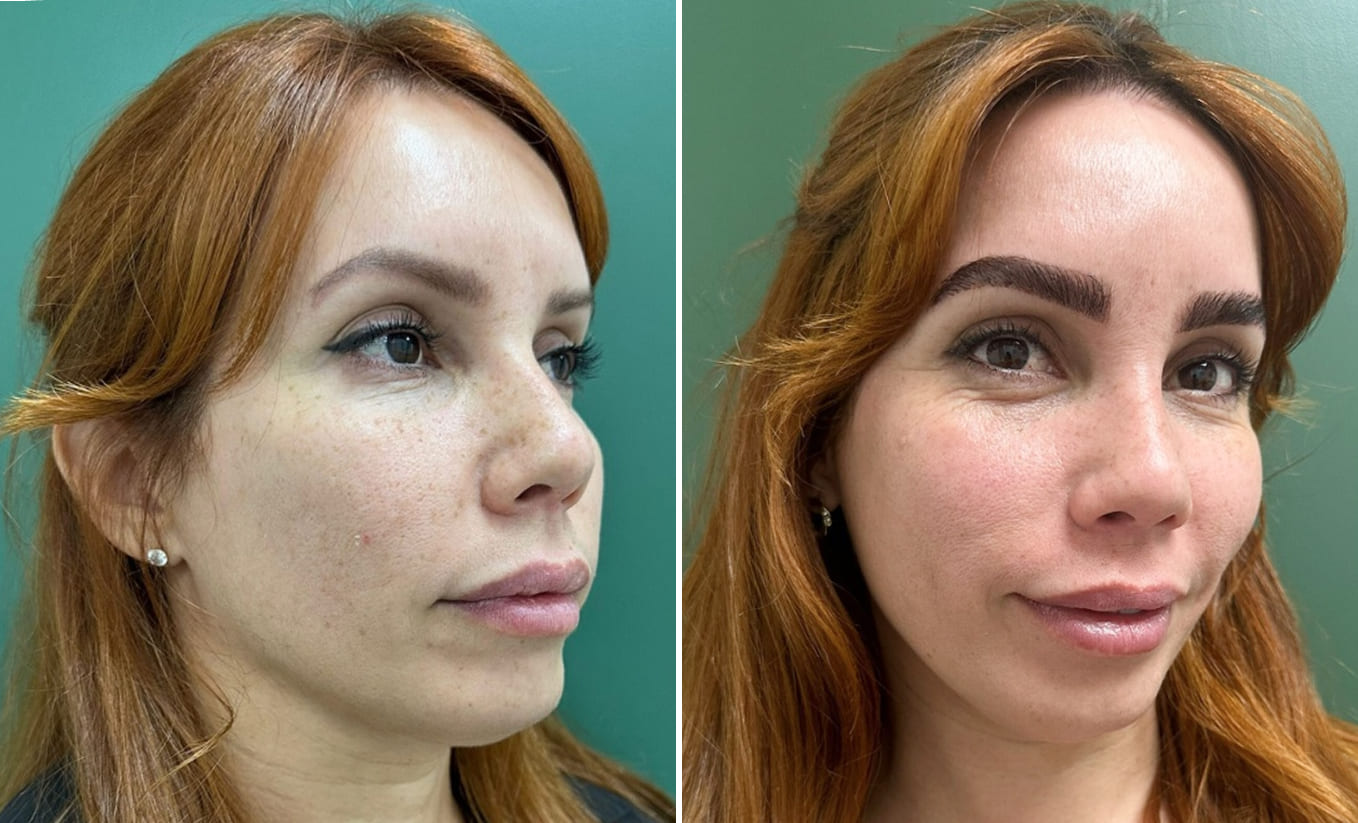
The best choice depends on what matters most to you. Microblading may be a good option if you want a quicker, nonsurgical change. An eyebrow transplant may be the better fit if you want real hair that can grow and provide a longer-lasting result. In this guide, I will explain the main differences so you can feel more confident about your decision.
Key Takeaways
- Microblading uses pigment to imitate eyebrow hairs, while an eyebrow transplant restores actual growing hair.
- Microblading creates a faster visual change, but the pigment fades and usually requires future touch-ups.
- An eyebrow transplant requires more time and a higher initial investment, but it is intended to provide long-term hair growth.
- Microbladed brows require pigment maintenance, while transplanted eyebrow hairs need regular trimming and grooming.
- The best option depends on how much eyebrow hair you have, why it became thin, how long you want the result to last, and whether you are comfortable having a medical procedure.
Eyebrow Transplant vs Microblading at a Glance
| Comparison factor | Microblading | Eyebrow transplant |
| Treatment type | Nonsurgical cosmetic pigmentation treatment | Minimally invasive hair restoration procedure |
| What is placed | Pigment strokes in the skin | The patient’s own hair follicles |
| Produces real hair | No | Yes |
| Appearance | Imitates the look of eyebrow hairs | Creates real texture, movement, and growing hair |
| Longevity | Semi-permanent and gradually fades | Intended to provide long-term hair growth |
| Initial results | Visible immediately, but the color changes during healing | Develop gradually as the transplanted follicles begin growing |
| Maintenance | Perfecting sessions and future pigment touch-ups | Regular trimming, brushing, and shaping |
| Recovery | Temporary redness, tenderness, flaking, or scabbing | Temporary swelling, redness, tenderness, or crusting |
| Initial cost | Usually lower | Usually higher |
| May be best for | People who want more definition without a medical procedure | People who want to restore actual hair in thin or missing areas |
Results, healing, and maintenance needs are different for every patient. A personal evaluation is the best way to decide which treatment fits your brows and long-term goals.
Interested in restoring real eyebrow hair? Schedule a personal eyebrow transplant evaluation with Graft Hair Restoration & Aesthetics.
How the Procedures Work
Microblading places pigment into small strokes in the skin to create the appearance of eyebrow hairs. An eyebrow transplant moves healthy hair follicles, usually from the scalp, into thin or missing areas of the brows. Microblading creates the look of hair, while a transplant restores real hair that can grow.
Results
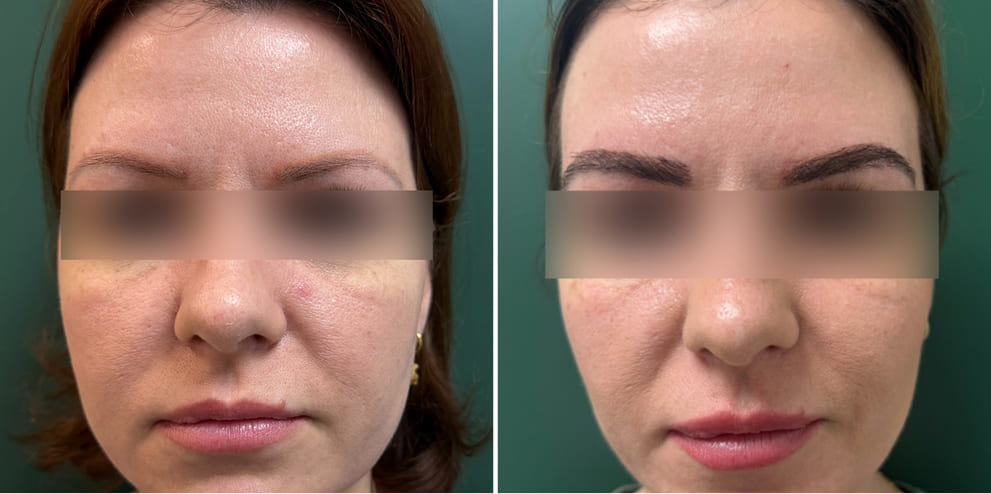
Microblading can make eyebrows look darker, fuller, and more defined, especially when some natural hair is already present. An eyebrow transplant creates real texture and may help fill gaps, restore overplucked areas, cover certain stable scars, or rebuild larger areas of hair loss.
Results depend on:
- Existing eyebrow hair
- Skin condition
- Provider experience
- Brow design
- Healing and aftercare
How Soon Results Appear
Microblading creates an immediate visible change, although the color may look darker during early healing. Eyebrow transplant results develop more gradually. The transplanted hairs commonly shed during the first few weeks, followed by a period with little visible growth. New hairs may begin emerging around three months and often become more noticeable between months three and five. Growth continues developing over the following months.

Not Sure Which Option Is Right for You?
Schedule a consultation to receive personalized advice based on your goals, lifestyle, and desired results.
Longevity
Microblading is semi-permanent and gradually fades, so future touch-ups are usually needed. An eyebrow transplant is intended to provide long-term hair growth, although not every transplanted follicle is guaranteed to grow.
Recovery
Both treatments involve a short healing period. Microblading may cause redness, itching, flaking, or small scabs. An eyebrow transplant may cause swelling, redness, tenderness, or crusting in both the eyebrow and donor areas.
During recovery, patients may need to avoid:
- Scratching or rubbing the brows
- Heavy exercise
- Swimming and saunas
- Makeup over the treated area
- Picking at scabs or crusts
Maintenance
Microblading requires color touch-ups as the pigment fades. Transplanted eyebrow hairs usually require regular trimming because donor hairs taken from the scalp may grow longer than natural eyebrow hairs.
Benefits
Microblading may appeal to patients who prefer a nonsurgical treatment, faster visible definition, and a lower initial cost. An eyebrow transplant may appeal to patients who want actual growing hair, natural texture, and a longer-term result.
Limitations
Microblading does not restore real hair, and the pigment may fade unevenly or change color over time. Eyebrow transplantation costs more initially, requires donor hair, takes longer to show results, and involves regular grooming after the new hairs grow.
Real Hair vs Pigment
The main difference is simple. Microblading places pigment in the skin to imitate hair. An eyebrow transplant places real follicles into the brows so actual hair can grow.
Natural Appearance
Both treatments can look natural when performed well. Microblading often blends best with existing eyebrow hair, while a transplant creates real texture in areas with little or no hair. With a transplant, careful control of the hair angle, direction, and spacing is essential.
Cost and Long-Term Value
Microblading usually costs less at first, but repeated touch-ups add to the long-term expense. An eyebrow transplant has a higher upfront cost but is intended to provide longer-lasting hair growth. The right choice depends on the type of result the patient values most.
Risks
While both procedures are generally considered safe, side effects and complications are possible. Treatment should usually be postponed when there is an active infection, irritated skin, or a recent procedure in the same area.
Possible microblading risks include:
- Infection
- Skin irritation
- Allergic reaction
- Scarring
- Uneven or changing pigment
- Difficulty correcting an unwanted result
Possible eyebrow transplant risks include:
- Swelling or bleeding
- Infection
- Small scars
- Uneven growth
- Some follicles not growing
- Hairs growing in the wrong direction
Why Provider Experience Matters
The eyebrows are highly visible, so small differences in shape, angle, and direction can be noticeable. An experienced provider should understand brow design, natural hair growth, donor-hair selection, safety, and realistic treatment planning.
Who is a Good Candidate?
Microblading may suit someone who has mild thinning, wants more definition, prefers a nonsurgical treatment, and accepts the need for touch-ups.
An eyebrow transplant may suit someone who has permanently thin or missing brows, wants real growing hair, has healthy donor hair, and understands that results take time.
Either treatment may need to be delayed when there is:
- Active hair loss
- An infection or skin condition
- Poor healing
- A recent brow procedure
- Unrealistic expectations
Can Both Treatments Be Combined?
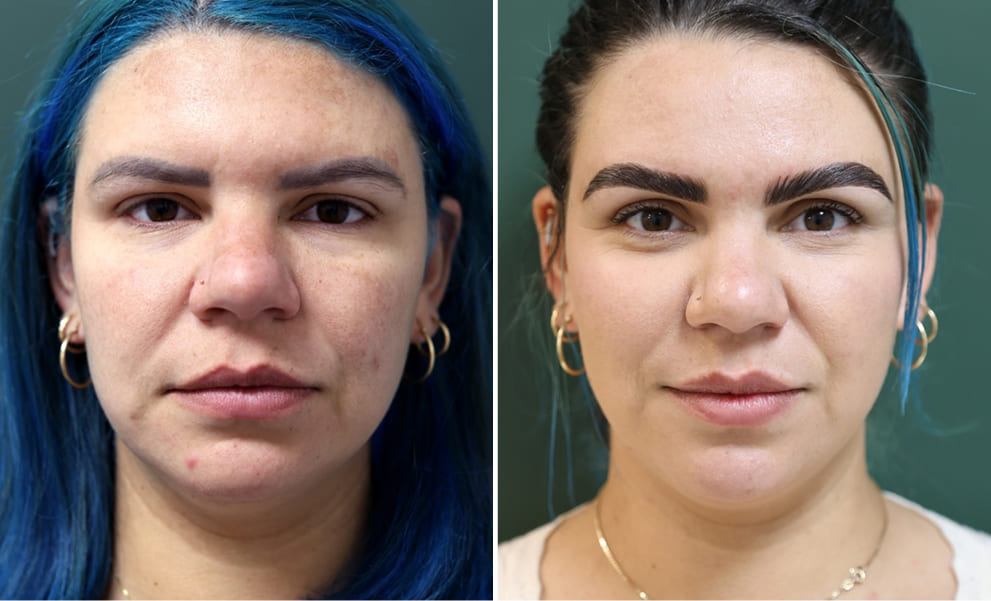
In some cases, microblading may be considered after an eyebrow transplant has fully healed to add the appearance of density between the hairs. The two treatments should be carefully timed because transplanted hair grows while pigment gradually fades.
Pain and Comfort
Both treatments normally use numbing. Microblading may feel like pressure, scratching, or mild stinging. An eyebrow transplant is more involved and may cause temporary soreness or tightness in the eyebrow and donor areas after treatment.

Learn whether real eyebrow restoration may be suitable for you
Schedule a consultation with Graft Hair Restoration & Aesthetics.
Can You Get an Eyebrow Transplant After Microblading?
Yes. Old microblading does not automatically prevent an eyebrow transplant.
During your evaluation, I will examine:
- The remaining pigment
- The old brow shape
- Any color changes
- The condition of the skin
- Visible scarring
- Your natural hair
- The new shape you want
If the pigment extends outside the new transplant shape, it may still be visible after the hairs grow.
You may need to allow the pigment to fade or discuss correction before the transplant.
Which Option Is Better: Eyebrow Transplant or Microblading?
Neither treatment is better for every person. The right option depends on the result you want and how much natural hair you have.
Microblading May Be Better When You Want:
- A nonsurgical treatment
- A lower initial cost
- Faster visible definition
- A semi-permanent change
- Flexibility to change the brow shape
- Enhancement of existing eyebrow hair
- No donor-hair removal
An Eyebrow Transplant May Be Better When You Want:
- Actual growing eyebrow hair
- Restoration of bare or very thin areas
- Real texture and fullness
- A longer-term treatment
- Less dependence on pigment
- Brows that can be brushed and shaped
- A growth pattern designed for your face
When patients ask me which one looks more natural, my answer depends on how much eyebrow hair they already have.
Microblading may look natural when it blends with existing hair. When there is little natural hair, a transplant may create a more natural texture because the result is made from real hairs.
The Best Choice Depends on the Cause of Your Brow Thinning
It is important to understand why your brows became thin before choosing a treatment.
Possible causes include:
- Genetics
- Years of plucking or waxing
- Aging
- An injury or burn
- Scarring
- A skin condition
- An immune-related hair-loss condition
- A hormone or medical issue
- Certain medications or treatments
Microblading can cover the appearance of hair loss, but it cannot treat the cause.
A transplant may restore hair in suitable areas, but the result may be affected if an active condition continues damaging the hair roots. Sudden, changing, or unexplained eyebrow loss should be medically evaluated before cosmetic treatment.
Unsure what caused your eyebrow thinning? A personal consultation can help determine whether your hair loss appears stable and whether transplantation is a suitable option.
Why Choose Graft Hair Restoration & Aesthetics for Your Eyebrow Transplant?
Eyebrow transplantation requires careful design, precise hair placement, and a clear understanding of how natural brows grow. At Graft Hair Restoration & Aesthetics, I take the time to learn what has changed, what you hope to restore, and what type of result will feel natural for you. Your treatment is planned for your face, your donor hair, and your goals.
- More than 18 years of hair restoration experience: I have focused on hair restoration since 2007, combining careful treatment planning with a personal and patient-centered approach.
- Advanced nursing education: I earned my nursing degree and Bachelor of Science in Nursing from Keiser University. I later earned my Master of Science in Nursing in Family Practice from South University.
- Professional membership and continued education: I am a member of the American Association of Nurse Practitioners and have completed specialized training in scalp micropigmentation.
- Service-specific eyebrow planning: Each eyebrow transplant is planned around your facial proportions, existing brows, donor hair, desired arch, hair direction, spacing, and realistic fullness.
- Medical oversight focused on safety: I work under the supervision of medical director Dr. Corine Munnings, whose background includes residency and fellowship training in anesthesiology at the University of Miami and Jackson Memorial Hospital.
Graft Hair Restoration & Aesthetics serves patients from Kendall and nearby communities, including Pinecrest, Coral Gables, South Miami, Doral, Homestead, Palmetto Bay, Cutler Bay, Westchester, and the greater Miami area.

Schedule an Eyebrow Transplant Consultation in Kendall, FL
Microblading may be a good option if you want quicker, semi-permanent definition without a medical procedure. An eyebrow transplant may be a better option if you want actual growing hair, natural texture, and a longer-term solution.
The right choice begins with an evaluation of your eyebrows, donor hair, skin, health history, and goals.
Schedule your eyebrow transplant consultation with Graft Hair Restoration & Aesthetics in Kendall, Florida, and receive a personalized recommendation from Elsa Rivero, APRN.
Frequently Asked Questions
Is an eyebrow transplant permanent?
An eyebrow transplant is intended to provide long-term hair growth. Once the new follicles heal, they may continue producing hair for many years. However, no provider can guarantee that every transplanted hair will grow.
How long does microblading usually last?
Microblading may remain visible for several months to more than a year. Your skin type, sun exposure, skincare routine, pigment, and aftercare can all affect how quickly it fades.
Does an eyebrow transplant look more natural than microblading?
An eyebrow transplant creates real texture because actual hairs grow from the skin. Microblading can also look natural when the pigment blends with existing eyebrow hair. The better option depends on how much natural hair you have and the result you want.
Do transplanted eyebrow hairs need to be trimmed?
Yes. The donor hairs usually come from the scalp and may grow longer than natural eyebrow hairs. Regular trimming, brushing, and shaping are usually needed.
Is microblading cheaper than an eyebrow transplant?
Microblading usually costs less at the beginning. However, it requires future touch-ups because the pigment fades. An eyebrow transplant has a higher initial cost but is intended to provide longer-term hair growth.
Can an eyebrow transplant help cover an eyebrow scar?
It may be possible to place hair into certain stable scars. However, scarred skin may not support hair growth as well as healthy skin. The scar must be examined before treatment can be recommended.
Do transplanted eyebrow hairs fall out after the procedure?
The visible transplanted hairs commonly shed during the first few weeks. This can be a normal part of the process and does not automatically mean the follicles have been lost. New hairs may begin emerging around three months, often become more noticeable between months three and five, and continue maturing over the following months.
Can men have an eyebrow transplant?
Yes. Eyebrow transplantation may be performed for men and women. The width, arch, fullness, and direction should be planned around the patient’s natural features and preferences.
Can an eyebrow transplant be performed over old microblading?
It may be possible. The remaining pigment, skin condition, brow shape, and any scarring must be examined before the new hair pattern is planned.
Does microblading damage existing eyebrow hair?
Microblading places pigment in the skin rather than directly treating the hair roots. However, poor technique, infection, irritation, or scarring may affect the eyebrow area. Choosing a properly trained technician is important.
How do I know which eyebrow treatment is right for me?
Microblading may suit you if you want a temporary, nonsurgical way to improve definition. An eyebrow transplant may suit you if you want actual growing hair and have a healthy donor area. A personal evaluation is the best way to determine which option fits your brows and goals.